
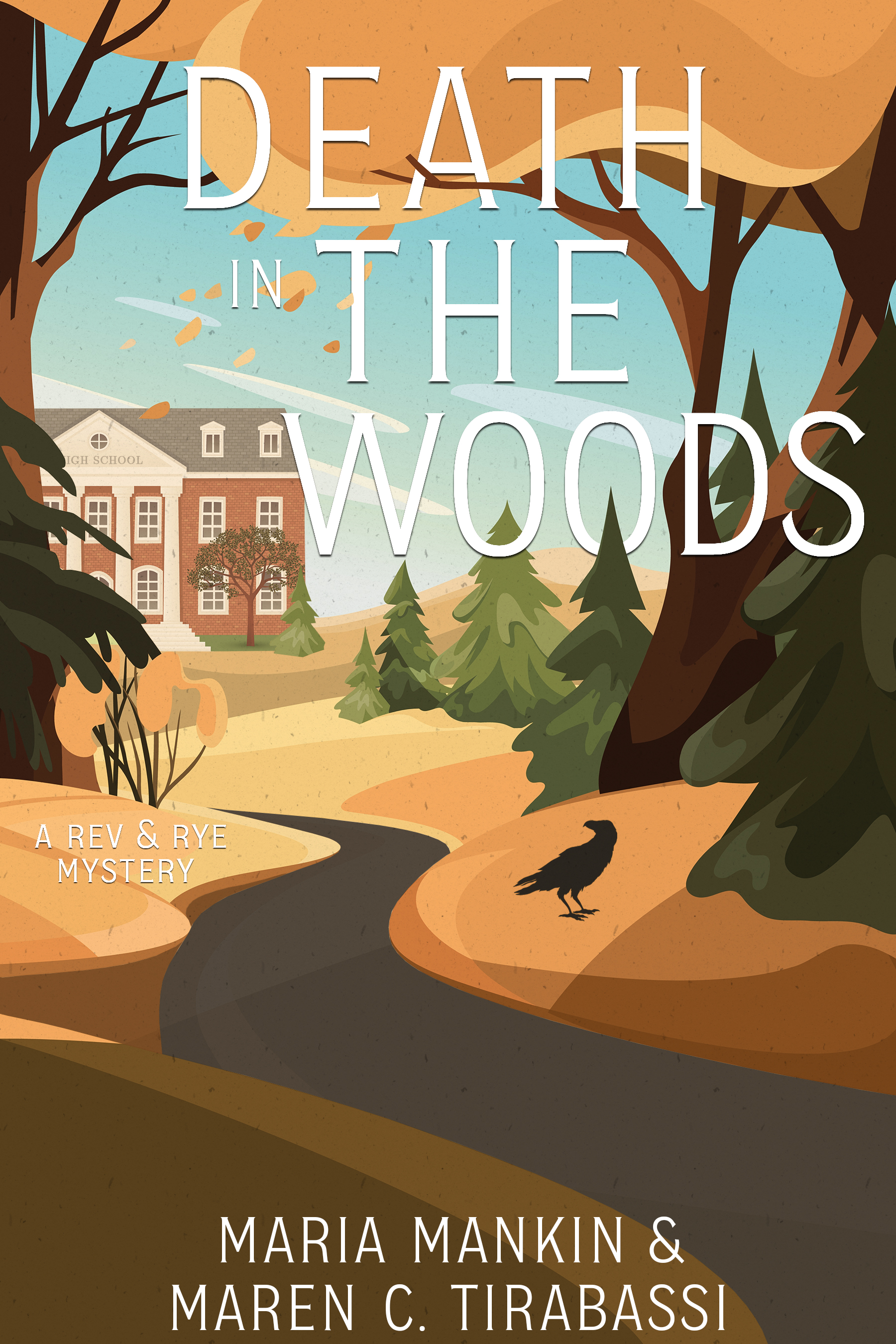
Maria Mankin and Maren C Tirabassi are visiting Ascroft, eh? to tell us about Death in the Woods, their latest novel in the Rev & Rye Mystery series.
Welcome to both of you. Let’s get started, shall we?
Tell us about your novel. Is it part of a series? If so, please tell us about the series too. Where did the idea for the mystery that is central to the story come from?
When we first started thinking about writing our first cozy mystery, Death at Fair Havens, together, we discussed the fact that we needed to write about our friends, or if not them specifically, then fragile, complicated, joyful people like them. We wanted to open a book and feel as though the people on those pages reflected the lives we lead, the fantastic friendships we’ve enjoyed, and the challenges that arise when you’re open to the vulnerability of meaningful relationships.
In this case, we weren’t thinking about romantic relationships, although of course it’s wonderful to write those as well, but we were focused on what it means to involve oneself in a murder investigation when it isn’t your job…and when no one else believes it’s murder. How does that affect a person during the investigation and after the fact? How might it destroy relationships, jobs, and a sense of security? What would it feel like, as women without any magical “gifts” or unusual physical prowess, to choose to repeatedly stand up in dangerous situations to protect those who couldn’t?
In Death in the Woods, the second Rev and Rye mystery, we wanted to focus on the school community that Rye is a part of, the way we had done with Wanda’s parishioners in the first novel. The challenge was that we didn’t want to kill off a student – it felt too dark, so we had to think back to our own adolescence to consider people who would be related to the school in a more tangential way, whose death would affect students and teachers without necessarily devastating them.
Is there a theme or subject that underlies the story? If so, what prompted you to write about it?
This story has a number of connections to addiction and drug and alcohol abuse. We didn’t set out to write a story where so many characters are facing these issues, but it’s one of those things where, when you start to pull on one thread, you see the connections light up.
Wanda has to face her own dependence on alcohol when her nephew moves in with her. She notices almost immediately how it affects him, as well as how what she’s considered to be an innocent habit could shatter the fragile new bond between them.
We have a family history of alcohol addiction and have seen how this plays out in myriad ways. We understand how and what the recovery process can look like, as well as what it can be like not to achieve sobriety. In telling these stories, we connect our own experiences to the humanity in these characters that exists beneath the label of addict or substance abuser.
How do you create your characters? Do you have favourite ones? If so, why are you partial to them?
We started Death at Fair Havens back in August of 2014. We were driving through the White Mountains in New Hampshire and decided it was time to stop talking about the move from writing solely non-fiction and actually write a novel together. Thankfully, we had a legal pad and a pen handy, and as we drove, we brain dumped. All the ideas we had been tossing around for years started to coalesce in those hours – Wanda and Rye, their lives and professions, the people who defined them and the pain they carried – it all started flowing.
In Death in the Woods, several important new characters popped up. Our favorite, Wanda’s nephew Lance, was not a part of our original backstory for her, but once he made an appearance, we knew he would be an integral part of this little family for the rest of the series. It can be difficult to write teenagers, and we never try to capture of the moment slang because it doesn’t feel natural to us, but Lance is a child who has cared for and helped to raise his own mother, so he has a depth of maturity that’s appealing. He’s funny and kind, and also completely clueless in that way that we all are at 16. He has been a joy to write, and we couldn’t imagine the series without him at this point!
How do you bring to life the place you are writing about?
We draw from places we live or have lived, towns we’ve visited, and in the case of Death in the Woods, we used locations very close to home to capture the details of our setting (a few blocks away close!). We find it easier to keep track of and write about places we both know well, and it makes the writing process much smoother when we don’t have to constantly be asking each other for clarification about the locales!
In this book, most of the places we wrote about were from an area in New Hampshire where we lived for a long time. There is one beautiful house though that comes from a spot in Colorado – it sits in the middle of farmland all on its own, and when we saw it for the first time, the home we had been struggling to write just seemed to fall into place! Now every time we pass it, we wonder what’s really happening inside…
What research do you do to provide background information to help you write the novel?
Our novels don’t really dive deeply into topics we aren’t already familiar with, but when it comes to procedures or details we want to be sure to capture correctly, we have a number of sources we can turn to for more information. We have friends in law, law enforcement, and medicine, so when we need to double check facts, we can call in the experts!
Is there anything else you’d like to tell readers about the book?
It may not be the most important fact about either of us as individuals, but certainly as a team, the fact that we’re mother and daughter has shaped our entire experience writing. We started working together in 2000, and it has proven, over two plus decades, to be a partnership that works.
It seemed natural for us to start a series with two narrators (one in her fifties and one in her thirties), because we’ve spent so much of our lives navigating challenges together. Our values are deeply aligned, but the way that we approach problems – well, all situations, really – is profoundly different because of our upbringings, our generational perspectives, and our personalities. Fortunately for us, it works! It’s a compatibly that we’ve never really questioned but are so lucky to have discovered early on.
Thanks for answering my questions, and good luck with Death in the Woods, the latest book in the Rev & Rye Mystery series.
Readers can learn more about the authors and their writing by visiting the book’s website.
The novel is available at the following online retailers:
Amazon – B&N – Kobo – Brain Mill Press
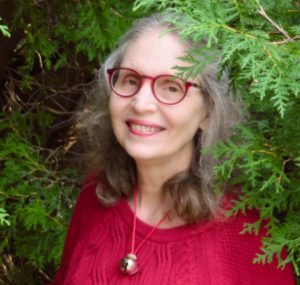
Maren C. Tirabassi’s forty years’ experience in mainline ministry shape Wanda Duff’s professional life (but not her personality). Tirabassi is a former Poet Laureate of the city of Portsmouth, New Hampshire, and has published poetry and short stories in fifteen anthologies, as well as twenty nonfiction titles.
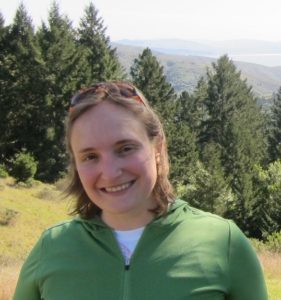
Maria Mankin, Maren’s daughter, has written five nonfiction books and a thriller, Circ (Pigeon Park Press). Rye’s dilemmas are influenced by Mankin’s ten years in education as a teacher and administrator. She holds a degree in Writing, Literature and Publishing from Emerson College.






 dianneascroft.com
Pingback: Death In The Woods by Maria Mankin and Maren C. Tirabassi with an excerpt and a giveaway | bigreadersite's Blog