
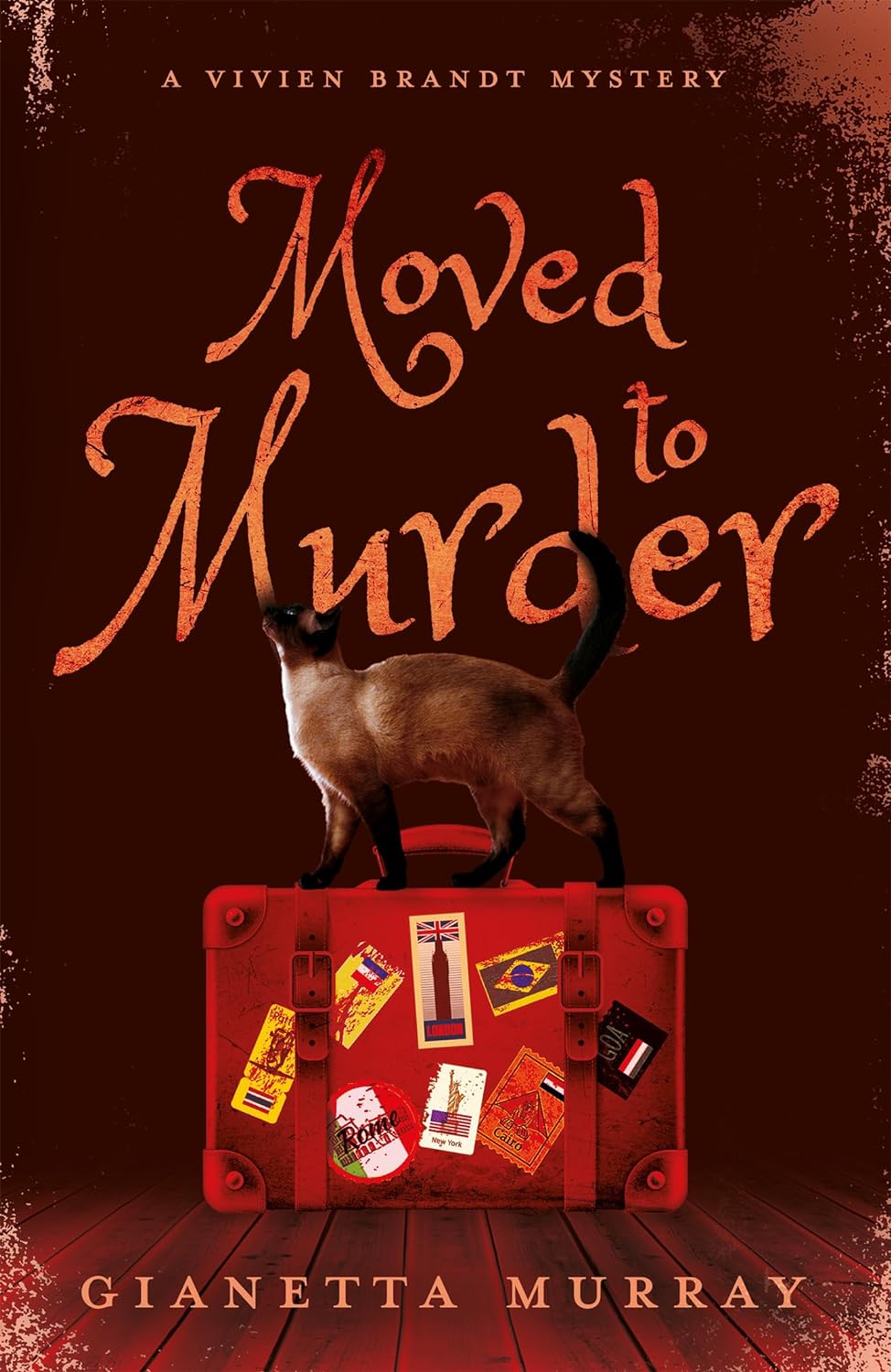
Gianetta Murray, author of Moved to Murder, a Vivien Brandt mystery, is visiting Ascroft, eh? today to tell us a bit about how she and her main character cope with with the differences between British and American speech.
Welcome, Gianetta. I’ll turn the floor over to you –
It was George Bernard Shaw who said England and America are two countries separated by a common language, a sentiment Oscar Wilde echoed in The Canterville Ghost: “We have really everything in common with America nowadays except, of course, language.”
Both quotes are frequently recited for laughs, but in my novel Moved to Murder, California-transplant Vivien Brandt discovers there is some truth to them, as I did when I moved to South Yorkshire almost twenty years ago.
Like Vivien, I didn’t foresee any serious roadblocks to fitting into the smallish village where my English husband and I bought a home. Certainly I didn’t think language would be a problem, as I’d been absorbing British television on the American PBS channel from a young age. I knew my eggplants from my aubergines and my zucchinis from my courgettes. (It has always amused me that the English are generally quite dismissive of their French neighbors but seem to have retained much of the language the French Normans brought them.)
What I learned is that language is very much a reflection of culture, especially in Britain.
Take the act of making dinner reservations. My husband phones the restaurant and poses the following question: “May I possibly make a reservation for two people at eight o’clock, if you have a table available?”
Note the ultra-polite “may I” and the fact that he provides ample excuses for the person on the other end of the line to refuse the request without guilt. Everything here is “maybe-could-possibly-if it’s not too much trouble”, a delicate dance of politeness that seems to graciously cede power to the other party.
My tact? “Hi, I need a table for two at eight. Ya got one?”
Translation: I’m the one deigning to eat in your restaurant, buddy, and I expect you to have what I want. No, what I NEED. (Hubby constantly teases me about needing things.)
It’s that kind of in-your-face talk that makes people either love or despise Americans. It reflects the American “can-do” attitude that does, it must be admitted, get things done. I’ve gotten jobs because of that reputation for action and plain speaking. But it also grates on British ears and sometimes makes them wince in visible pain. I know, I’ve seen it.
Now, don’t get me wrong, the British can be as rude as anyone, but they are more likely to couch their insults in sarcastic niceness. One of my favorite historical quotes is from Benjamin Disraeli, who purportedly told someone giving him a manuscript to peruse that he would “waste no time reading it”.
Or if you’ve seen Hamilton, you probably laughed at the charming tone King George III uses as he threatens to kill your friends and family to prove his love for you. Very British (and mad, in his case). After all, there is no need get all worked up about things if you can slay your opponent with your rapier wit and biting irony.
Vivien often runs afoul of these differences in Moved to Murder, failing to capture the rhythm of British conversation or heed its undertones. Instead, she barrels ahead in what my husband calls the “Here are the contents of my head. Listen to them.” method of American speech.
So in addition to a murder or two, Moved to Murder explores (in a hopefully amusing way) the difficulty of learning to live in a land with different customs—and sometimes different values—communicated through a language that sounds deceptively the same.
Add to this that Vivien must remember never to say “pants” (unless you’re talking about underwear) or “fanny pack” (it’s called a bum bag) and you can see she has her work cut out for her.
Fortunately, our hero does possess a large dollop of American can-do and is soon helping the police solve murders while decorating her new home and discussing Buffy the Vampire Slayer with her sympatico neighbor Hayley.
Tragically, she has to do it without access to good Mexican food. But that’s a whole other story.
Thank you for sharing this with us, Gianetta, and good luck with Moved to Murder, the latest book in the Vivien Brandt mystery series.
Readers can learn more about Gianetta Murray by visiting the author’s website and her Linktree page.
The book is available online at the following Amazon stores:
US: Moved to Murder UK: Moved to Murder
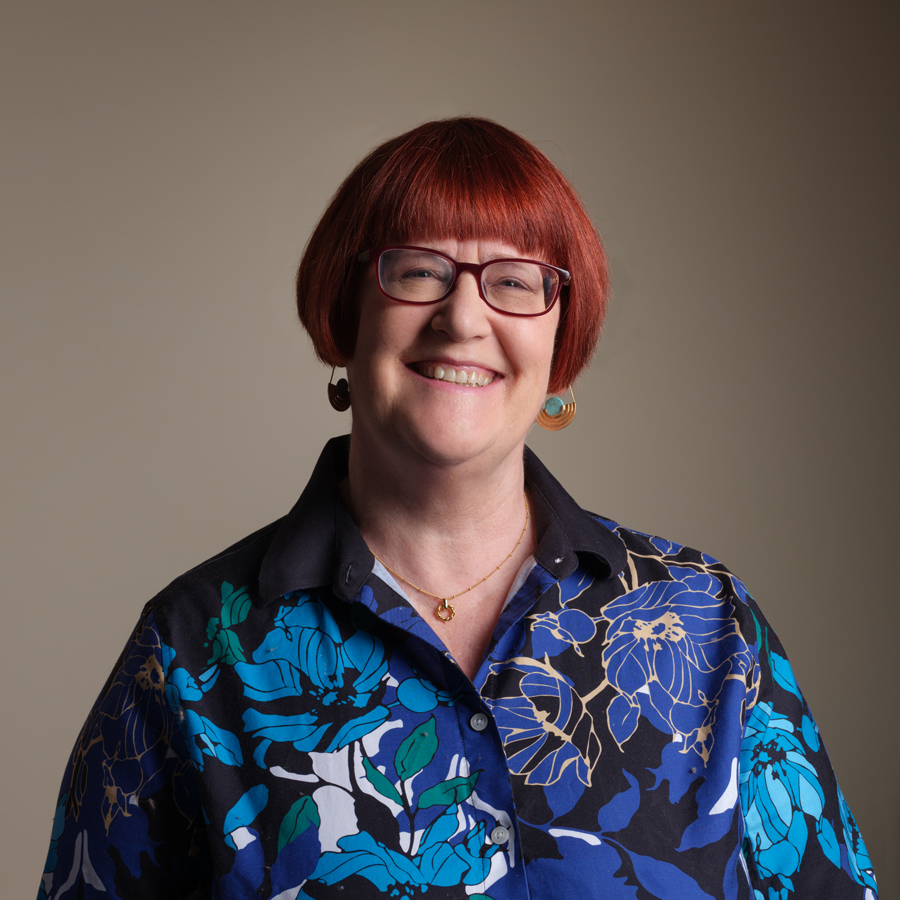
About Gianetta Murray: Like her protagonist, Gianetta is California-raised and moved to England twenty years ago after marrying her British husband. She has worked as a technical writer, knowledge manager, and librarian in both countries and is currently owned by two cats who are unimpressed by her accomplishments but willing to tolerate her in return for food.











 dianneascroft.com