Chatting With S. R. Mallery

Although I haven’t produced a quilt in nearly a decade, quilting is still at the top of my list of favourite hobbies – whenever I can get some spare time as I invariably say. So, when I noticed the theme of S. R. Mallery’s short story collection, Sewing Can Be Dangerous and Other Small Threads, in a synopsis of the book, it immediately drew my attention. I’m pleased to welcome the author, who is on an historical fiction virtual tour, here today to answer some questions about the collection.

Tell us about your short story collection.

SRM: The eleven long short stories in Sewing Can Be Dangerous 02_Sewing Can Be Dangerous Coverand Other Small Threads combine history, mystery, action and/or romance, and range from drug trafficking using Guatemalan hand-woven wallets, to an Antebellum U.S. slave using codes in her quilts as a message system to freedom; from an ex-journalist and her Hopi Indian maid solving a cold case together involving Katchina spirit dolls, to a couple hiding Christian passports in a comforter in Nazi Germany; from a wedding quilt curse dating back to the Salem Witchcraft Trials, to a mystery involving a young seamstress in the infamous Triangle Shirtwaist Factory fire; from a 1980’s Romeo and Juliet romance between a rising Wall Street financial ‘star’ and an eclectic fiber artist, to a Haight-Asbury love affair between a professor and a beautiful macramé artist gone horribly askew, just to name a few.

What prompted you to write about these historical events?

SRM: I remember my father sitting with me on his back porch one summer’s night years ago and while the fireflies glowed and crickets sawed, he told me about the horrors of the Triangle Shirtwaist factory fire of 1911.  I couldn’t get the image of all those poor immigrant girls who died so needlessly out of my head, and the more I thought about it, the more I wanted to mold that historic event into a fictional story.

Being a professional quilter at that time and surrounded by fabrics and textile art, I lived and breathed sewing. So one day, after I had written “Sewing Can Be Dangerous,” I had an epiphany: I would write a collection of short stories that all had a single ‘thread’ of either sewing or crafts.

That started me down the path of researching various historic times. If a certain event or era appealed to me, I started looking into what kind of sewing connection they might present.  For example, my story, “Precious Gifts,” was based on a tiny slip of paper that I saw in a History of Sewing Machines exhibit.  It was placed inside a counter next to one of the early Singer machines and it read something to effect of, “1870, Washington Territory: I put my Singer in the cornfield so in case of an Indian attack, it will be safe.”  The fact that her sewing machine was worth far more than her family or her cabin absolutely fascinated me!  The other stories were developed from sifting through history books, movies documentaries and/or reading articles.

How closely did you stick to the historical facts?  If you used them loosely, how did you decide whether to deviate from them?

SRM: I did do a lot of research to make sure basic events, dialects, clothing, culture, and general ambiance were authentic, but my interest and tendency has been to create fictional characters that interweave with real historical people.  Therefore, I found that if being accurate historically got in the way of plot or character development, I often opted for the ‘loosely based on facts’ alternative.

What research did you do for this book?

SRM: As mentioned, I use a variety of research sources: books, the internet, movies, documentaries, photographs, and music from pertinent time periods.  The story about drug trafficking led me to an interview with someone in the Doctors Without Borders organization. For my Salem Witchcraft story, I looked at actual court scripts of the time, but changed the language enough so as not to violate any copyright laws.  For the mystery cruise story, I had plenty of experience teaching quilting, so that was fun and easy to write!

Do you use a mixture of historic figures and invented characters in the novel?  Which is more difficult to write?  Which do you prefer to write and why?

SRM: Yes, I most certainly do!  I love writing about both. To me, writing about a famous person includes ‘discovery reading’ about them; their odd quirks and human factors that are generally not known. Fictional characters are very enjoyable as well.  With them, I get to really use my imagination – What are their personalities like? Nasty? Evil? Kind? Confused? Multi-layered? Thus, to me, interweaving fictional and historic figures together offers me the best of both worlds!

In an historical novel or story collection you must vividly re-create a place and people in a bygone era.  How did you bring the place and people you are writing about to life?

SRM: I am a very visual person.  I will read printed material, but really, for me, the most effective way of learning about a subject is by looking at coffee table books, because they contain both texts AND photographs.  For example, I love the DK Eye Witness books because I can really get a feel for history, objects, people, food, etc through them.  In fact, I developed my medieval embroidery story after reading and seeing line drawings of a 13th century manor with its entire wing devoted to sewing and embroidery.  Also, by listening to music of the time period I’m writing about I can not only think up plots and character motivations, I can literally feel myself being transported back into that era.

I also often refer to books/websites about slang, speech patterns, etc. to help authenticate my work.  However, although I do try to make my text somewhat in keeping with the time period, I usually reserve the real authentic lingo for my dialogues.

There often seems to be more scope in historical works for male characters rather than female characters.  Do you prefer to write one sex or the other?  And, if so, why?

SRM: I do tend to mostly use female protagonists, particularly in this collection.  In my novel Unexpected Gifts, however, there were several chapters in which the main character was male. But in analyzing this very good question, I realize I am not only more comfortable with writing about women, I truly respect what they have had to endure in times past. For that reason, if I come across a strong woman in my research, I’m all the more drawn to her.

Thank you for answering my questions so well. I find the theme of the story collection fascinating and look forward to the book’s release on 16th December. For more information about the collection and the author, please visit S.R. Mallery’s website. You can also find her on Facebook, Twitter and Goodreads.
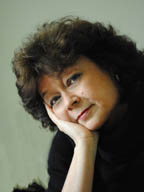
03_S.R. Mallery AuthorAbout S. R. Mallery: She has worn various hats in her life. First, a classical/pop singer/composer, she moved on to the professional world of production art and calligraphy. Next came a long career as an award winning quilt artist/teacher and an ESL/Reading instructor. Her short stories have been published in descant 2008, Snowy Egret, Transcendent Visions, The Storyteller, and Down In the Dirt. “Unexpected Gifts”, her debut novel, and “Sewing Can Be Dangerous and Other Small Threads”, her collection of short stories, both books by Mockingbird Lane Press, are available on Amazon.

Posted in December 2014 | Tagged , , , , , , , | Leave a comment

Celebrating National Short Story Week

My first published short story, A World Apart, was written about a woman trying to make sense of her new home in an adopted country and deal with problems she hadn’t faced before. Although it isn’t autobiographical, it reflected my thoughts as I settled into life in rural Ireland a decade ago – and came face to face with the odd cow. I drew on irritations I experienced – being at the end of the pipeline and having to wait for the cattle water troughs in the area to be replenished before I could get a drop of water from my kitchen tap and waging a running battle to keep cows off our newly laid lawn. I had vivid images of these experiences in my mind as I penned the story; it was fun to relive it as I wrote. A World Apart was published in Ireland’s Own magazine as well as a local history anthology, Fermanagh Miscellany, before it became the lead story in my short story collection, Dancing Shadows, Tramping Hooves.

To celebrate National Short Story Week Dancing Shadows, Tramping Hooves will be free on Amazon Kindle US & UK from Wednesday, 19th November until Sunday, 23rd November.

DA-DSTH-Amazon[1]-newLead by A World Apart, Dancing Shadows, Tramping Hooves is a collection of half a dozen short stories with Irish connections. Tales of outsiders who discover they belong, a humorous slice of life yarn, heartwarming love stories and a tale of taming fear. The shadows are on the wall, in the heart and clouding a woman’s memories while tangible foes tramp through the physical landscape.

The stories were previously printed individually in a variety of publications, including Ireland’s Own magazine, Dead Ink Books’ website, and several writing anthologies.

Click on Amazon US or Amazon UK to download a copy.

Posted in November 2014 | Tagged , , , , | Leave a comment

An Encounter That Will Linger In My Mind

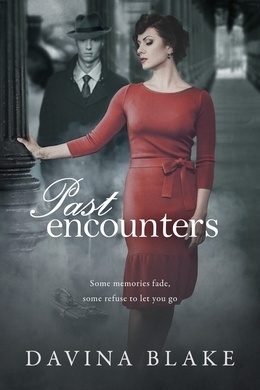
Last week I finished reading Past Encounters by Davina Blake. The novel came to my attention when I received a free copy of the book in exchange for an honest review. It is an historical fiction that hops between the closing years of the Second World War and a decade later. I thoroughly enjoyed the story and found it easy to immerse myself in it.

Here’s the Amazon book description: “England 1955.

PastEncounters_EbookThe day Rhoda Middleton opens a letter from another woman, she becomes convinced her husband, Peter, is having an affair. But when Rhoda tracks the mysterious woman down, she discovers she is not Peter’s lover after all, but the wife of his best friend, Archie Foster. There is only one problem – Rhoda has never even heard of Archie Foster.

Devastated by this betrayal of trust, Rhoda tries to find out why Peter has kept this friendship a secret for so long. Her search leads her back to 1945, but as she gradually uncovers Peter’s wartime experiences she must wrestle with painful memories of her own. For Rhoda too cannot escape the ghosts of the past.

Taking us on a journey from the atmospheric filming of Brief Encounter, to the extraordinary Great March of prisoners of war through snow-bound Germany, Past Encounters explores themes of friendship, hope, and how in the end, it is the small things that enable love to survive.”

The novel is well written. Organised into chapters that are told from the viewpoints of three characters, it is arranged to build suspense and keep the reader delving into the characters’ pasts to discover why their lives have turned out as they did. I found the use of the viewpoints of the three main characters, Rhoda, Peter and Helen a very skilful, effective device to tell the story. From Rhoda’s and Peter’s perspectives we build up a balanced picture of a marriage that is struggling. Helen’s viewpoint, as the potential other woman, is added late in the story to provide needed extra details and clues to the events unfolding. At first I wasn’t keen to have another viewpoint added so late in the story. I thought it would be intrusive but I soon warmed to Helen and wanted to understand how she viewed her relationships with each of the Middletons.

I found the main characters realistic and engaging. As the story progresses we see them change and mature in ways the reader will applaud. A couple of the minor characters, Archie and Matthew, also stand out as they quietly capture the reader’s heart. Matthew is optimistic and sensitive despite his battle with ill health. Archie’s journey to maturity in the harsh environment of the prison camp is a noteworthy thread of the story. Despite their flaws the reader roots for these characters.

The novel juxtaposes a captured soldier’s struggle to survive in a grim prison camp with the tender love story on home soil between Rhoda and Matthew. There are gut wrenching scenes in the prisoner of war camps and on the Great March across Germany that are emotionally gripping and very disturbing as well as gentle, romantic scenes between Rhoda and Matthew that lull the reader to forget the gruesomeness of war. The author has great skill in depicting a range of life experiences, from the mundane routine of home to the horrors of life in a theatre of war. She also cleverly sets one thread of the story around the filming of the Second World War film, Brief Encounter, adding an interesting historical detail to the novel.

Past Encounters is a story of love, betrayal, guilt and forgiveness in threads that seamlessly weave the lives of four individuals together. Nothing is as simple or straightforward as it seems and the author skilfully unveils the lives of each of the characters so that the reader feels empathy with them and understands how their lives have taken the paths that they have. It is a complex and engrossing story and I would heartily recommend it to both historical fiction and general fiction fans. It is a very good read.

For more information about Davina Blake visit her website and blog. You can also find her on Twitter. Past Encounters is available on Amazon US & UK as well as through other retailers.

About Davina Blake: She used to be a set and costume designer for theatre and TV, during which time she developed a love of research which fueled her passion for the past. She holds an MA in Creative Writing from Lancaster University and also writes successful seventeenth century historicals under the pen name Deborah Swift. ‘Her characters are so real that they linger in the mind long after the book is back on the shelf. Highly recommended.’ The Historical Novels Review From Davina: ‘I was inspired to write ‘Past Encounters’ because I live close to the railway station where the iconic ‘Brief Encounter’ was filmed in 1945. I have often used the refreshment room that featured in the film when waiting for a train. I love a good cup of tea, preferably accompanied by a chocolate brownie!’


Posted in November 2014, Uncategorized | Tagged , , , , , | Leave a comment

Fermanagh Miscellany 2015 Launched

On Monday Fermanagh Authors’ Association launched the ninth book in our Fermanagh Miscellany series. After a couple themed FM 2015 low resbooks in the series (2013 was our G8 edition and 2014 focussed on events during the Decade of Commemorations), Fermanagh Miscellany 2015 returns to what the group does best: exploring the history of the county.

The supernatural seems to intrigue me lately. I’m currently working on novel set in World War II that revolves around a ghost story and my contribution this year to the anthology is a short story entitled Our Last Hope which fictionalises the legend of the Coonian ghost. It wasn’t the influence of Halloween, honestly.

Tony Brady, Chair of Fermanagh Writers, also contributed to the anthology and he talks in greater depth about the anthology on the Fermanagh Writers’ blog today.

Posted in November 2014 | Tagged , , , , | Leave a comment

One Hundred Years On – Private John Rimmer

I deplore war but I believe it is valuable to remember past conflicts and learn from them. And the people who endured them should not be forgotten either.

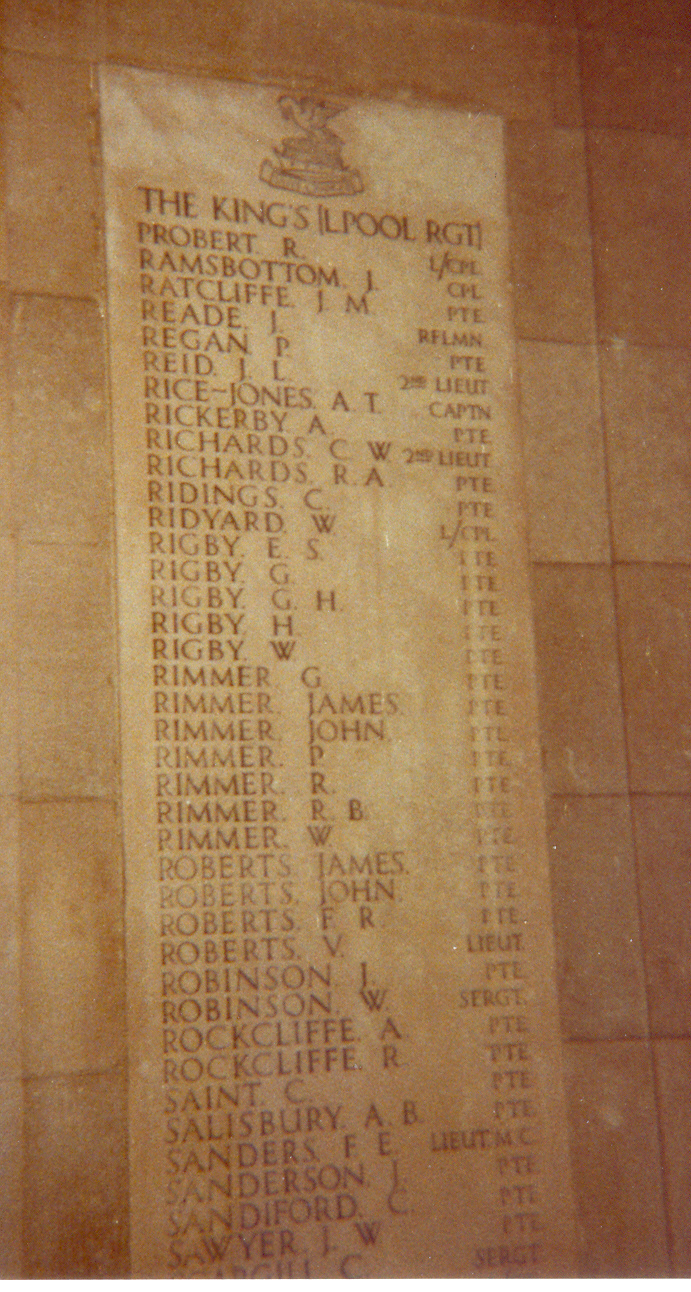
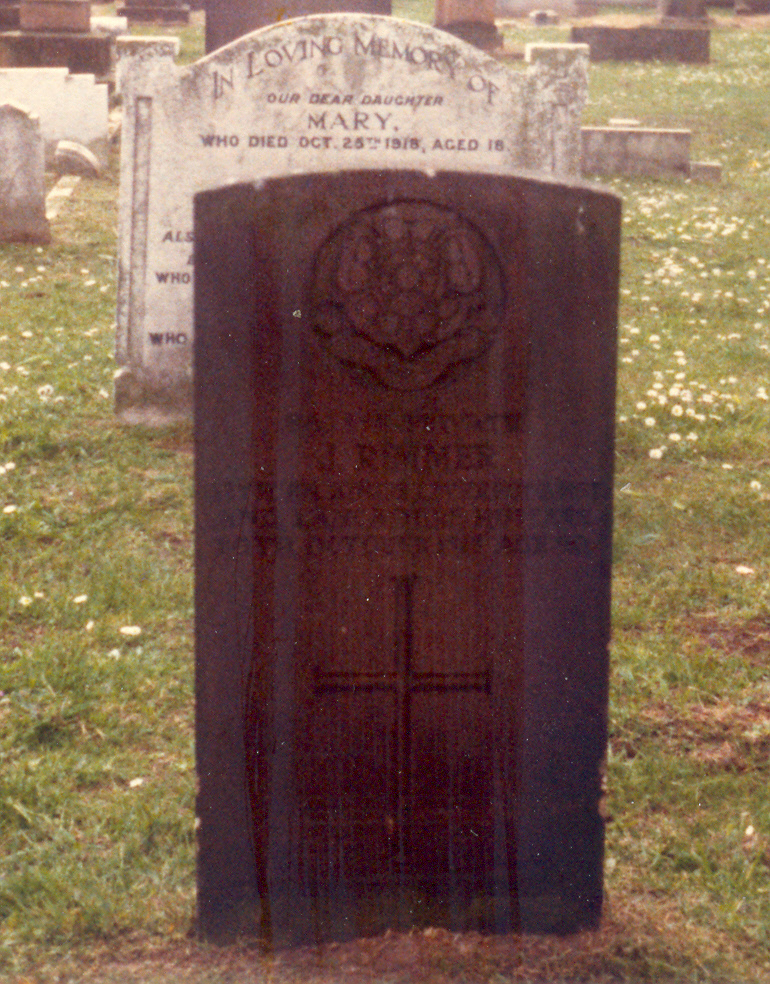
Today, one hundred years on, I wish to remember my great-uncle, John Rimmer, my grandmother’s brother.  Jack lied about his age to enlist in the 18th Horse Yeomanry, Kings Liverpool Regiment, leaving his father and two sisters behind in Southport when he went off to war. Serving as a driver in France, he was wounded and was returned to England where he died from his wounds in the Kitchener Hospital in Brighton on 20th October, 1918, aged 20. His eldest sister, Mary Jane, travelled from Southport to Brighton to bring his body home for burial.   His name is recorded on the Kings Liverpool Regiment Roll of Honour in Southport.

Kings Liverpool Regiment Roll of Honour

Kings Liverpool Regiment Roll of Honour

Private John Rimmer (Jack)

Born: 20th January, 1898 (Accrington, Lancashire)

Died: 20th October, 1918 (Kitchener Hospital, Brighton)

Buried: Southport

Private, 18th Battalion Horse Yeomanry, Kings Liverpool Regiment #267375

John Rimmer's grave

John Rimmer’s grave

Posted in November 2014 | Tagged , , , | Leave a comment

Fermanagh Miscellany 2014: A Decade Of Turmoil

Last week Fermanagh Miscellany 2014: A Decade of Turmoil, an eighth collection of writings by members of Fermanagh Authors’ Association, was released as an ebook. The print edition of the book sold out very quickly when it was released last December. The contributions to the anthology all focus on events which happened in Ireland during the years 1912 to 1922, a significant decade in Irish history.

Decade ebook coverThe island of Ireland is presently remembering that decade in many centenary events, known collectively as the Decade of Commemorations. Historic events being commemorated include the signing of the Ulster Covenant (1912), the sinking of the Titanic (1912), the Plantation of Ulster (1613), the First World War 1914 -1918 and the Treaty of Versailles (1919), the Easter Rising (1916), the Battle of the Somme (July 1916), the rise of the Labour Movement including the Belfast strike in 1917, universal male and limited women’s suffrage (1918), the General Election (1918), the War of Independence (1919-1921), and the Irish Civil War and Partition of Ireland (1922).

I have been a member of Fermanagh Authors’ Association for several years and enjoy contributing eclectic material to their yearly publications. This time my offerings are an excerpt from my historical novel, Hitler and Mars Bars, that relates to the Great War, and The Letter, a short story I wrote about a small act of defiance in a country village in support of women’s suffrage.

Fermanagh Miscellany 2014: A Decade of Turmoil is available on Amazon US & UK.

Posted in October 2014 | Tagged , , , , , , , , , | Leave a comment

A Captivating Novel of Corsica Explored

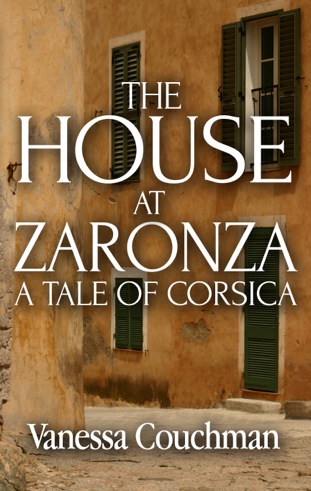
This summer I read a wonderful historical novel set in Corsica, The House At Zaronza by Vanessa Couchman. I’ve always wanted to visit this island so I soaked up the scenery and atmosphere as I read. I was also completely absorbed in the story. It is a well written love story that unfolds through letters discovered nearly a century after they were written. Since I enjoyed the book I am delighted to tell you that I’ve invited the author, Vanessa Couchman here today to answer some questions about the book.

Welcome Vanessa. Let’s get started, shall we?

Tell us about your novel.

VC: The House at Zaronza is set in early 20th-century Corsica House Zaronzaand at the Western Front during the First World War. It follows the fortunes of Maria Orsini, a young woman from a bourgeois family, who lives in a Corsican village with her parents. She and the village schoolteacher fall in love but have to carry on their relationship in secret, since her parents would disapprove. Maria’s parents have other plans for her future and she sees her dreams crumble.

The novel follows her story up to and beyond World War I, when she becomes a nurse at the Front. This is a novel about love, loss and reconciliation in a strict patriarchal society, whose values are challenged as the world changes.

What prompted you to write about this historical event or era?

VC: A true story was the inspiration behind The House at Zaronza. We came across some late 19th-century love letters in a B&B in Corsica, which had only come to light when the B&B’s owners unblocked a niche in the attic, where they were hidden in a box. The lovers were destined never to marry, since the young woman to whom the letters were written had to marry someone else.

Little is known about the rest of her life but I decided that the fictional Maria would become a nurse during World War I; partly because she wanted to do something useful and partly to escape the closed society of Corsica. Without revealing too much of the plot, World War I is integral to the story. And, of course, it is very topical.

How closely did you stick to the historical facts? If you used them loosely, how did you decide whether to deviate from them?

VC: In terms of the run-up to World War I and its subsequent course, I stuck pretty closely to the facts. Maria goes to Bar-le-Duc to a military hospital and is involved in the 2nd Battle of Verdun in 1917. She then goes to Amiens, which was bombarded by German forces during their final big push in early 1918. I had to remain faithful to the historical facts, but, of course, Maria’s part in them is fictional.

What research did you do for this book?

VC: I had to do quite a lot of research. First, I needed to research how it might have been to live in Corsica during the early 20th century. Not much is written in English about that period of Corsican history. However, for background, I used Dorothy Carrington’s magisterial Granite Island: A Portrait of Corsica, which explains a good deal about Corsican history and culture that I found helpful.

Second, I needed to research French military medical care, and in particular nursing, during World War I. Again, this wasn’t easy, since surprisingly little seems to have been written about it. I was fortunate to stumble upon some contemporary diaries written by a French nurse that were rediscovered and published by her great-granddaughter. This provided much useful information about the organisation of medical care, the wounds and conditions that nurses had to deal with, and the day-to-day life of a French nurse.

In addition, of course, I had to research World War I. There, by contrast, I was almost overwhelmed by the volume of information!

Do you use a mixture of historic figures and invented characters in the novel? Which is more difficult to write?

VC: All the characters are fictional, with the exception of the young woman, whom I named Maria, and the schoolteacher. However, since little is known about them, I had to invent their characters, how they looked etc. I suspect it is more difficult to write about known historical figures, since the scope for invention is much more limited.

Which do you prefer to write and why?

VC: I think I prefer to write about fictional characters. I am interested in the lives of “ordinary” people who are affected by world events.

In an historical novel you must vividly re-create a place and people in a bygone era. How did you bring the place and people you are writing about to life?

VC: As I mentioned above, it was not easy to re-create life in a Corsican village in the early 20th century. The book by Dorothy Carrington was very helpful. In addition, I consulted other sources. James Boswell, for example, better known for his life of Samuel Johnson, visited Corsica in the 18th century and wrote an enthusiastic memoir of his travels. Since Corsican society changed very little until the 20th century, his impressions were probably reasonably accurate, if perhaps a little rosy-tinted.

There often seems to be more scope in historical novels for male characters rather than female characters. Do you prefer to write one sex or the other. And, if so, why?

VC: I don’t really have a preference. In fact, I was surprised recently when I did an analysis of the gender of my characters in short stories to find that in 50% of cases, my main characters are men. However, in The House at Zaronza, I felt it important to write the story from the point of view of a woman.

A major theme in the novel is the role of women in Corsican society and the changes that World War I wrought, albeit very slowly. I also wanted to chart the development of Maria’s character as she grows throughout the book. I found that more interesting than using one of the male characters as the main protagonist.

I am working on a sequel to The House at Zaronza. The main character is also a woman, since the book follows through on the themes mentioned above.

Thanks for answering my questions, Vanessa. It was a pleasure to learn more about a novel that I enjoyed so much.

Readers can learn more about Vanessa by visiting her website as well as her Facebook and Goodreads pages. The House at Zaronza is available at all branches of Amazon and good bookstores.

Posted in October 2014 | Tagged , , , , , | 4 Comments

Lord Esterleigh’s Daughter Q & A

Today I’ve invited Kathy Fischer-Brown to Ascroft, eh? to tell us about the beginning of The Serpent’s Tooth trilogy.

Welcome, Kathy. Let’s get started, shall we?

Tell us about your novel.

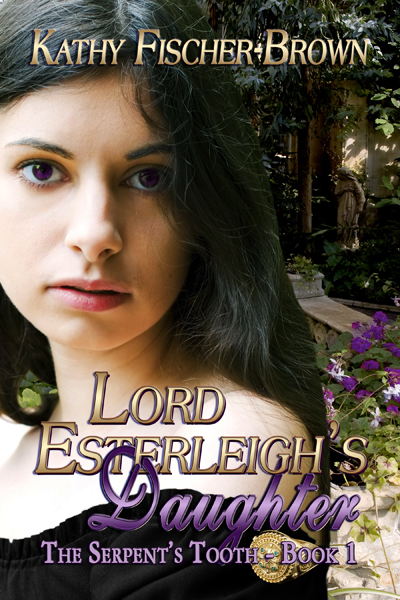
01_Lord Esterleigh's DaughterKFB: Lord Esterleigh’s Daughter is the first book in “The Serpent’s Tooth” trilogy, so I will mention the other two, as well, since Courting the Devil and The Partisan’s Wife are the second and third books of what was originally conceived as one mammoth, epic novel. Although each can be read on its own, you’ll miss an awful lot by not reading them in sequence J

The story follows Anne Fairfield, a lonely, unhappy girl raised by her mother, a poor seamstress in the west of England in the 1760s. Unbeknown to Anne, she is the legitimate daughter and heir of an old landed aristocratic family, her father an earl, who she believes was a simple soldier killed in battle during the war against the French and Indians. At sixteen, as her mother succumbs to a terminal illness, Lord Esterleigh arrives on the scene to atone for his absence and neglect. Over the next four years, Anne tries to come to grips with a long line of family intrigue, scandals and lies, first love, and the responsibility brought about by her new-found social status. She acts out, venting her anger and resentment toward her father, and in the process unwittingly succumbs to the vengeful forces aligned against her.

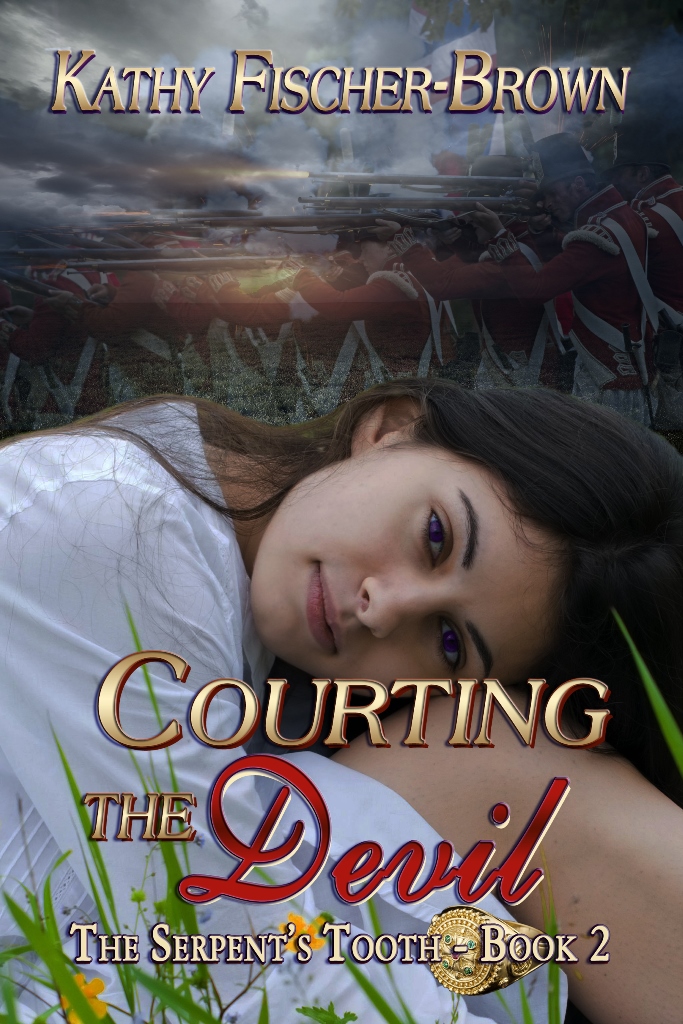
Courting the DevilCourting the Devil picks up in 1777, four years after a near fatal error in judgment finds her an indentured servant in the wilderness of New York. The American Revolution draws ever closer as, haunted by the past, she searches for answers while mourning the death of her lover. But nothing is what it seems. The story of Anne’s transformation from angry, rebellious child to conscience-stricken young woman with a driving purpose is juxtaposed against the historical events leading to a major turning point in the American War for Independence. Her quest leads her to rediscover lost love and opens the way toward her redemption. A subplot involves espionage on both sides of the conflict.

The Partisan’s Wife resumes where Courting the Devil leaves off and follows Anne on a journey from the battlefield at Saratoga to British occupied New York and Philadelphia, where she hopes to find her father and beg his forgiveness. While more of a “romance” than the two previous books, this is basically a story of allegiances and the cost of conscience on two people who are destined to be together.

What prompted you to write about this historical event or era?

KFB: My fascination with and love of 18th century America and the Revolutionary War has its roots in early childhood. So when a dream presented itself one night (a long time ago), I began my exploration of a story that unfolded more or less as if it had been “channeled.”

How closely did you stick to the historical facts? If you used them loosely, how did you decide whether to deviate from them?

KFB: The story is pure fiction, but has as its backdrop a vibrant historical setting. There are actual events, and even cameo appearances by some well-known and not-so-well-known personalities of the time. I did not deviate from factual happenings at all. In fact, all three books contain references to and descriptions of some of the defining forces of the era, its politics and the horrors of war, to name a couple.

What research did you do for this book?

KFB: I started writing “The Serpent’s Tooth” trilogy before the age of the internet, so a great deal of my original research was done the old fashioned way—searching through libraries and reference books. Much of this I did via snail mail, inter-library loan, and visits to historical sites when possible. I also read biographies, journals, contemporary plays and novels to get a better feel for the time and the language. Prior to publication with Books We Love, Ltd., when I picked up the story again after many years, I took advantage of the wealth of information now available online.

Do you use a mixture of historic figures and invented characters in the novel? Which is more difficult to write?

KFB: As I mentioned, the major characters are fictional, but I did pepper the second and third books with historical figures. Some are minor, and I took a few liberties, but not enough to stray too far from fact. Since I consider myself a writer of historical fiction, I derived the greatest enjoyment in creating the fictional characters. Which is not to say this was easy J

Which to you prefer to write and why?

KFB: I prefer to write fictional characters who are products of their time and who think, act, and speak in keeping with the period. That said, it requires a good deal of research into the writings and history of the era to pull this off. I will add that immersion in this exploration gives me a great sense of pleasure and satisfaction.

In an historical novel you must vividly re-create a place and people in a bygone era. How did you bring the place and people you are writing about to life?

KFB: This may sound goofy, but I like to “be there” in order to bring the era to life. I steep myself in the literature of the time in order to find the cadences of language and speech, details of the clothing, customs, beliefs, and the historical events. I like to study old maps so that I can put myself in the place. When possible, I like to visit living history museums and re-enactments, talk to people who are passionate and knowledgeable about recreating the past, and of course, I love primary resources.

There often seems to be more scope in historical novels for male characters rather than female characters. Do you prefer to write one sex or the other? And, if so, why?

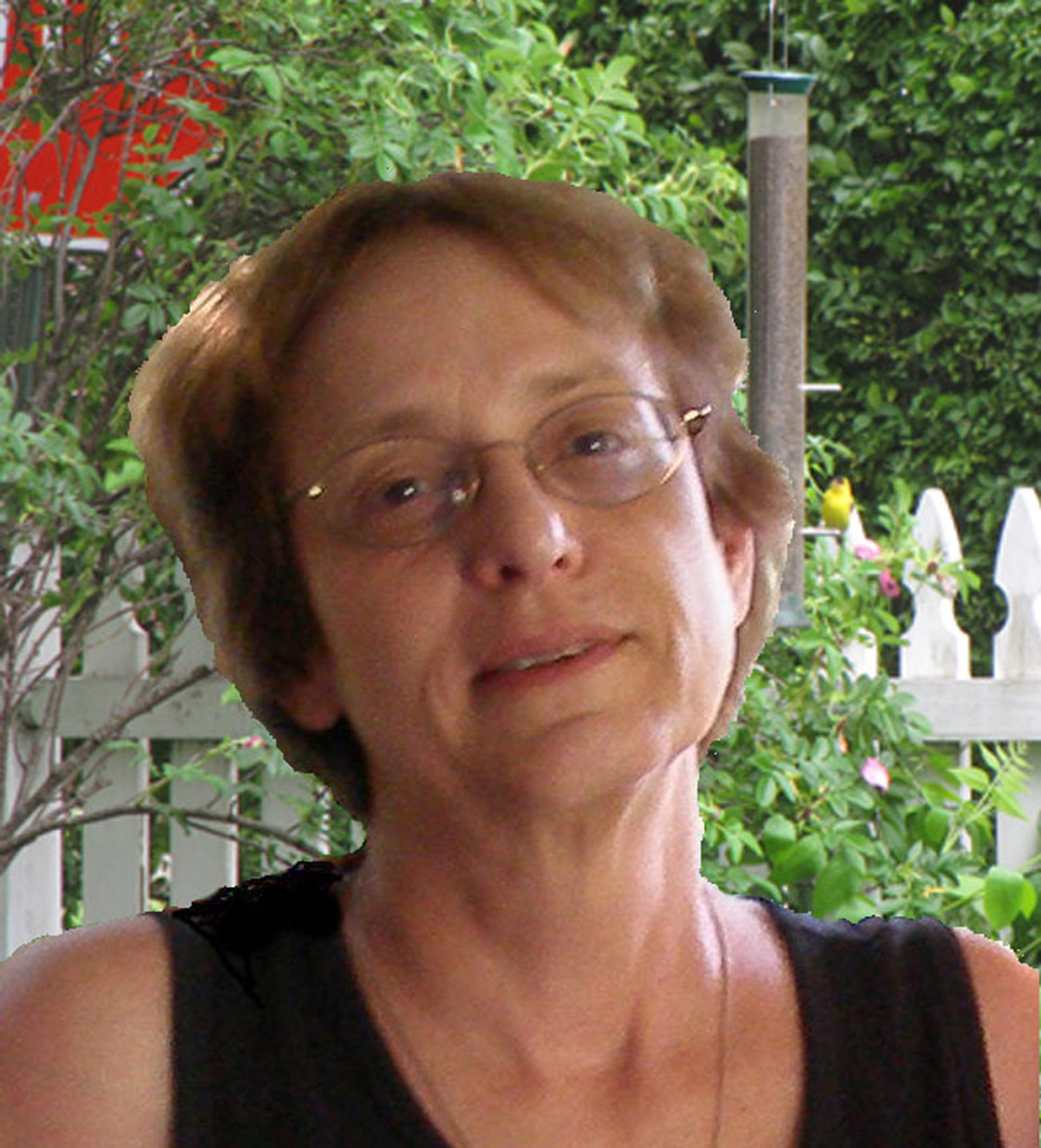
Kathy Fischer-Brown

Kathy Fischer-Brown

KFB: I don’t feel that way at all. As a woman, I am always thrilled to discover the women who made history. Not surprisingly, there are a lot more of them than appear in the usual history texts that populate our standard high school curricula. It’s simply a misconception that history was made entirely by men, since it’s mostly men who wrote about it. Unfortunately it’s just taken more time for many of these women to receive their due.

I feel more comfortable writing from a woman’s perspective. But that doesn’t mean I won’t pen a significant portion of a book in a man’s point of view. It’s a bit more challenging…but so is being married to one for nearly 39 years J

Thank you for answering my questions so thoroughly, Kathy.

Thank you for hosting me, Dianne. It’s been a pleasure.

Readers can learn more about Kathy by visiting her website and Facebook page. The trilogy is available online at various retail outlets, including Amazon UK and US.

Posted in October 2014 | Tagged , , , , , | 3 Comments

The Paradise Tree Q & A

Today Elena Maria Vidal is visiting Ascroft, eh? to answer a few questions about her new novel, The Paradise Tree, a story of Irish immigrants who arrived in Canada during the  late 1800s and built a new life in the province of Ontario. Since my ancestors arrived in Canada from Britain and Ireland a couple generations ago, it’s a topic that fascinates me and I’m looking forward to hearing more about her novel.

Welcome Elena. Let’s get started, shall we?

Tell us about your novel.

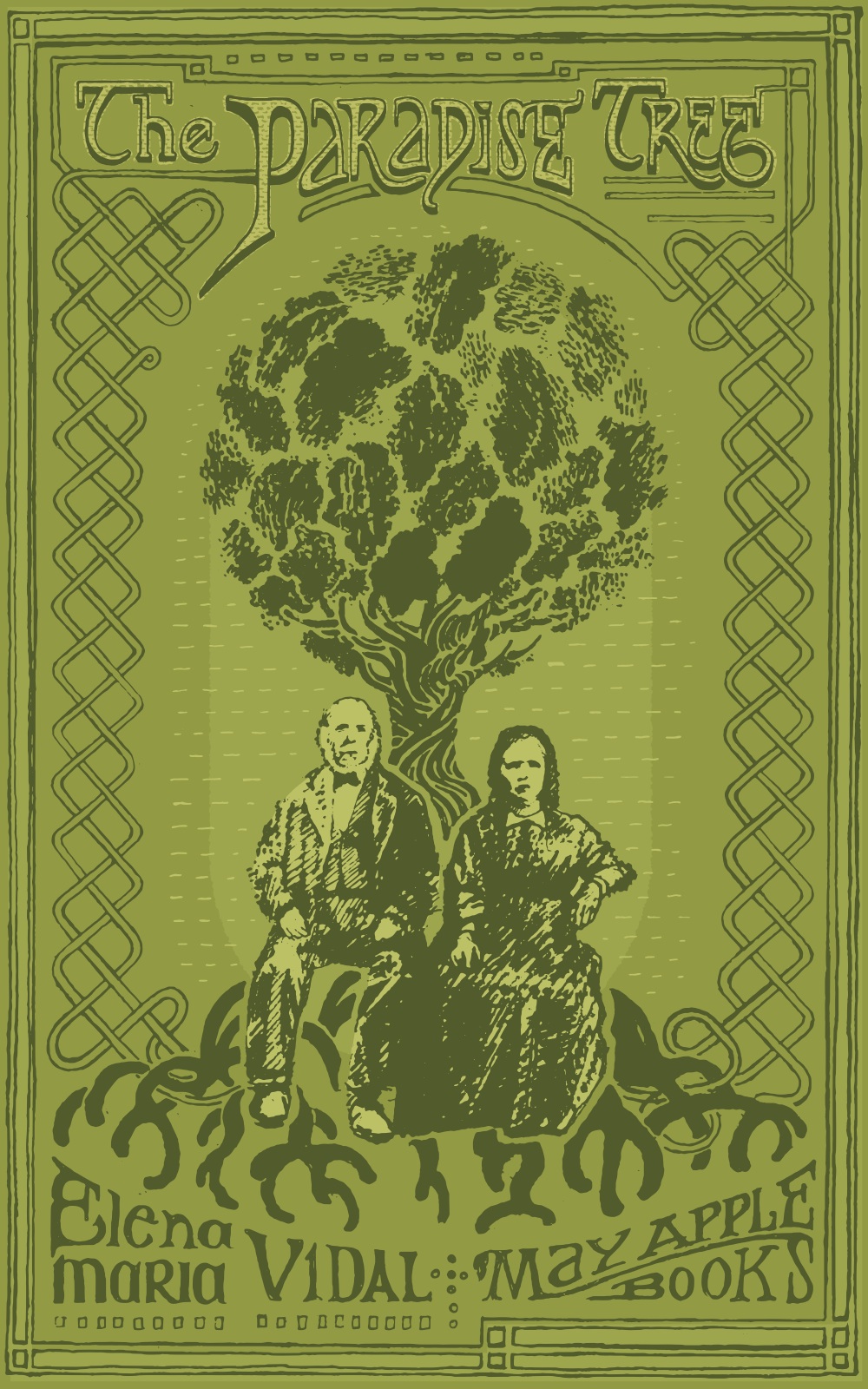
02_The Paradise TreeEMV: The Paradise Tree is a novel of beginnings and endings; it invokes the memory of Eden while simultaneously conjuring up the Apocalypse. This is because in most lives there is an era of innocence as well as moments in which death and judgment are encountered. I have taken the lives of one man and one woman, my great-great-great-grandparents, and looked at such eras and moments in the context of their experience as Irish immigrants in the harshness and beauty of 19th century Canada. I wanted to look at what elements, amid so many difficulties, built a strong marriage and a cohesive family unit. And what elements threatened to destroy them.

What prompted you to write about this historical event? 

EMV: My cousin, Mary O’Connor Kaiser, the great-great-granddaughter of Daniel and Brigit O’Connor, suggested it to me once when I was visiting Lost Bay Lake, not far from the old family homestead of Long Point. She began to share her research about our ancestors with me and one day we drove all over the region exploring the historical sites.

How closely did you stick to the historical facts? If you used them loosely, how did you decide whether to deviate from them?

EMV: I tried to stick to the chronology of the known events, such as births, deaths and weddings, as well as the building of houses. Anything for which I could find a scrap of recorded history in either a letter, a memoir, or a legal document, I included in the novel and built the story around it.

What research did you do for this book? 

EMV: I consulted books of local history but mainly my research consisted in pulling together loose information from scattered family archives and legal records, whenever I had access to them. The bibliography in the back of the book lists my sources. I also relied on personal interviews with older relatives as well as visits to historic sites.

Do you use a mixture of historic figures and invented characters in the novel. Which is more difficult to write? Which to you prefer to write and why?

EMV: Almost every single character is historic, which is easier for me to write, because you usually have some tiny bit of evidence on which to build their persona.

In an historical novel you must vividly re-create a place and people in a bygone era. How did you bring the place and people you are writing about to life? 

EMV: I brought it to life by spending time in the area where the story takes place, and studying pictures of the way the area looked in the past. I also studied photos of the persons in the story, how they were dressed. And I read their letters.

There often seems to be more scope in historical novels for male characters rather than female characters. Do you prefer to write one sex or the other. And, if so, why?

EMV: I find it equally easy to write characters of either sex. It is not being male or female which makes the person a challenge to write but whether they are good or evil. I find it difficult to write from the point of view of characters who are sociopaths. It is a challenge for me not to make them into a caricature.

Thanks for answering my questions, Elena. Readers can learn more about Elena by visiting her website, blog and Goodreads page. The Paradise Tree is available on Amazon US & UK as well as other retail sites.

03_Elena Maria VidalAbout Elena Maria Vidal: She grew up in the countryside outside of Frederick, Maryland, “fair as the garden of the Lord” as the poet Whittier said of it. As a child she read so many books that her mother had to put restrictions on her hours of reading. During her teenage years, she spent a great deal of her free time writing stories and short novels.

Elena graduated in 1984 from Hood College in Frederick with a BA in Psychology, and in 1985 from the State University of New York at Albany with an MA in Modern European History. In 1986, she joined the Secular Order of Our Lady of Mt. Carmel. Elena taught at the Frederick Visitation Academy and worked as a private tutor as well as teaching children’s etiquette classes. During a trip to Austria in 1995 she visited the tomb of Empress Maria Theresa in the Capuchin crypt in Vienna. Afterwords she decided to finish a novel about Marie-Antoinette she had started writing ten years before but had put aside. In 1997 her first historical novel TRIANON was published by St. Michaels Press. In 2000, the sequel MADAME ROYALE was published, as well as the second edition of TRIANON, by The Neumann Press. Both books quickly found an international following which continues to this day. In 2010, the third edition of TRIANON and the second edition of MADAME ROYALE were released.

In November 2009, THE NIGHT’S DARK SHADE: A NOVEL OF THE CATHARS was published by Mayapple Books. The new historical novel deals with the controversial Albigensian Crusade in thirteenth century France. Elena has been a contributor to Canticle Magazine, Touchstone Magazine, The National Observer, and The American Conservative. In April 2009 she was a speaker at the Eucharistic Convention in Auckland, New Zealand. In August 2010 Elena spoke at The Catholc Writers Conference in Valley Forge, PA. She is a member of the Catholic Writers Guild and the Eastern Shore Writers Association. She currently lives in Maryland with her family.

Posted in October 2014 | Tagged , , , , , | 1 Comment

A Debut Novel Q&A: The Good Doctor

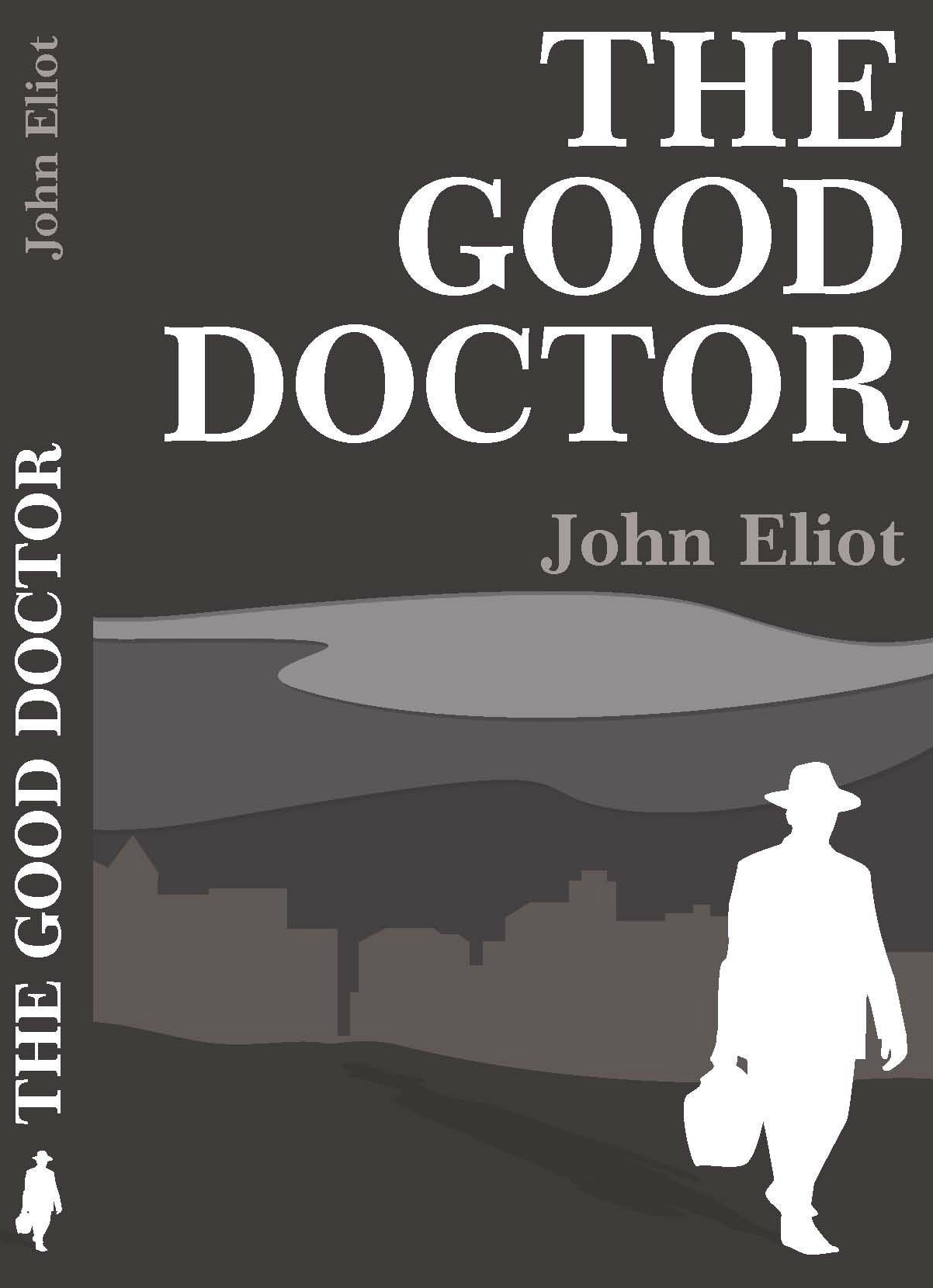
Today I’ve invited John Eliot to visit Ascroft, eh? to tell us a bit about his new novel, The Good Doctor.

Welcome John. Let’s get started, shall we?

Tell us about your novel.

JE: My novel, The Good Doctor, is based loosely around the life of my father Thomas Eliot as a GP in Leicester. My father, Dr Thomas Eliot, was born in the 1920’s and died a year or two ago.
My father was a great story teller and these books of mine, are based on the stories he told us. Sometimes in quite a formal way, other times simply chatting over the dinner table. I’m sure he exaggerated in parts and of course I have given them the novelist’s tale.

A brief synopsis of The Good Doctor:

Good Doctor coverDr Thomas Eliot, fresh from Europe at the end of the Second World War, arrives for his first post at Leicester in the UK. An enthusiastic young man, he is full of new ideas. He sees the people around him coping with life, a lack of good food, rationing still in force. These people deserve better, The Good Doctor feels, after being the victors of a long hard conflict in Europe. Food poisoning strikes the council estate and the doctor traces it to the cause; tins of poor quality food being sold by the local factory owner, Sir Roger Folville. Events unravel which virtually lead to the downfall of the government and Dr Eliot facing his own nightmare.

What prompted you to write about this historical event or era?

JE: I love history. I read a great deal of non-fiction; usually a non-fiction alongside a piece of fiction. If you are asking why did I choose 1948 as a year to write about, I suppose because it is in my memory, although I wasn’t born until a few years later. But because I heard the stories about the era first hand, it was as if I had lived it. Ideally I would love to write a novel set in Tudor times, but that would take too much research.

How closely did you stick to the historical facts? If you used them loosely, how did you decide whether to deviate from them?

JE: The historical facts were used loosely. I made sure that I had the correct monarch on the throne, the correct prime minister and so on. But the book isn’t based on an historical event. The political corruptness did not happen. I was correct in that in 1948, Britain was almost as starvation level and that the illness clostridium difficile existed. Based around these couple of facts, I built a story.

What research did you do for this book?

JE: None, none was needed in the formal way. As above, I made sure that certain facts were correct. The descriptions of Belsen lifted from the memory of a soldier. But it is factual that my father was one of the first British soldiers that entered Belsen, to help the victims. That is first hand information.

Do you use a mixture of historic figures and invented characters in the novel. Which is more difficult to write? Which to you prefer to write and why?

JE: I did not use historic characters. I would say that to create an historic character would be very difficult. That character would end up as an author’s romanticized interpretation.

In an historical novel you must vividly re-create a place and people in a bygone era. How did you bring the place and people you are writing about to life?

JE: I just wrote and the people who have read the novel seem very happy with it. I think because the story is strong. However when I write, I see my characters as in a film. I rely a great deal on dialogue, so a reader having a feeling of the place and time would come through what the characters say. I’ll give you an example. There is a scene set in an RAF officers mess. I don’t know anyone in the RAF (at least before I wrote the novel) and I certainly haven’t been in an RAF mess. A reader who was in the RAF, told me that I had completely captured what the officers mess was like. How did I do it? I don’t know.

There often seems to be more scope in historical novels for male characters rather than female characters. Do you prefer to write one sex or the other. And, if so, why?

JE: I disagree with your question. I think there is as much scope for female characters. Anne Boleyn. Margaret D’Anjou and Elizabeth Woodville and plenty more.

I don’t really mind which sex my character is. I think I’m similar to Tony Warren who founded Coronation Street in 1960. His strongest characters were female. My strongest characters are female; Gerry, a doctor, Edna, the housekeeper, Olive, who runs the practice, and Nurse Bullock, to name but a few. Thomas Eliot is a quiet man, perhaps an underlying strength, Reg is a neurotic idiot, Dr McFadden too fond of the whisky. Many of my men are weak, certainly weaker than the females.

Thanks for answering my questions and giving me an insight into The Good Doctor, John. I enjoyed the novel when I read it recently so it’s good to hear a bit more about it.

Readers can learn more about the author, John Eliot, by visiting his website and his Goodreads page. The Good Doctor is available online from various retail sites including Amazon US & UK.

Posted in October 2014 | Tagged , , , | Leave a comment